Motel safety: calm habits for roadside stays
The short answer
Most motel safety is routine: choose the property by recent reviews, ask for an upper-floor room if there is one, check and use every lock, keep the curtains closed and valuables with you, park in a lit spot, and find the two nearest exits when you arrive. These are general habits from AAA and the U.S. Fire Administration.
Independent guide. Not affiliated with, endorsed by or sponsored by Days Inn or Wyndham Hotels & Resorts. We take no bookings.
- Room
- Upper floor if anyAsk
- Door
- Deadbolt, chain, latchUsual
- Curtains
- Closed after darkUsual
- Car
- Lit spot, nothing on showUsual
- Valuables
- With youUsual
- Exits
- Two nearest, countedUsual
General guidance, not a security assessment of any property.
How do you stay safe at a motel?
Start before you arrive: read recent reviews of the property, as the State Department suggests for any lodging, and tell someone where you are staying. On arrival, check the locks and the room, use the deadbolt and chain whenever you are inside, keep valuables with you, and know your way out. None of it takes more than minutes.
This is general guidance for budget roadside stays, gathered from AAA Club Alliance’s room-safety tips (published September 17, 2025) and the U.S. Fire Administration’s hotel fire advice. AAA: room safety USFA: hotel fires It is not a judgement on any brand or property.
Which motel room should you ask for?
AAA suggests a room between the third and sixth floors where possible, because ground-level rooms and those near exits are easier for thieves to reach. At a one- or two-storey motel, ask for the upper floor, or a room near the office and in view of lit parking. Ask the desk to write your room number down rather than say it aloud.
How should you secure the door and windows?
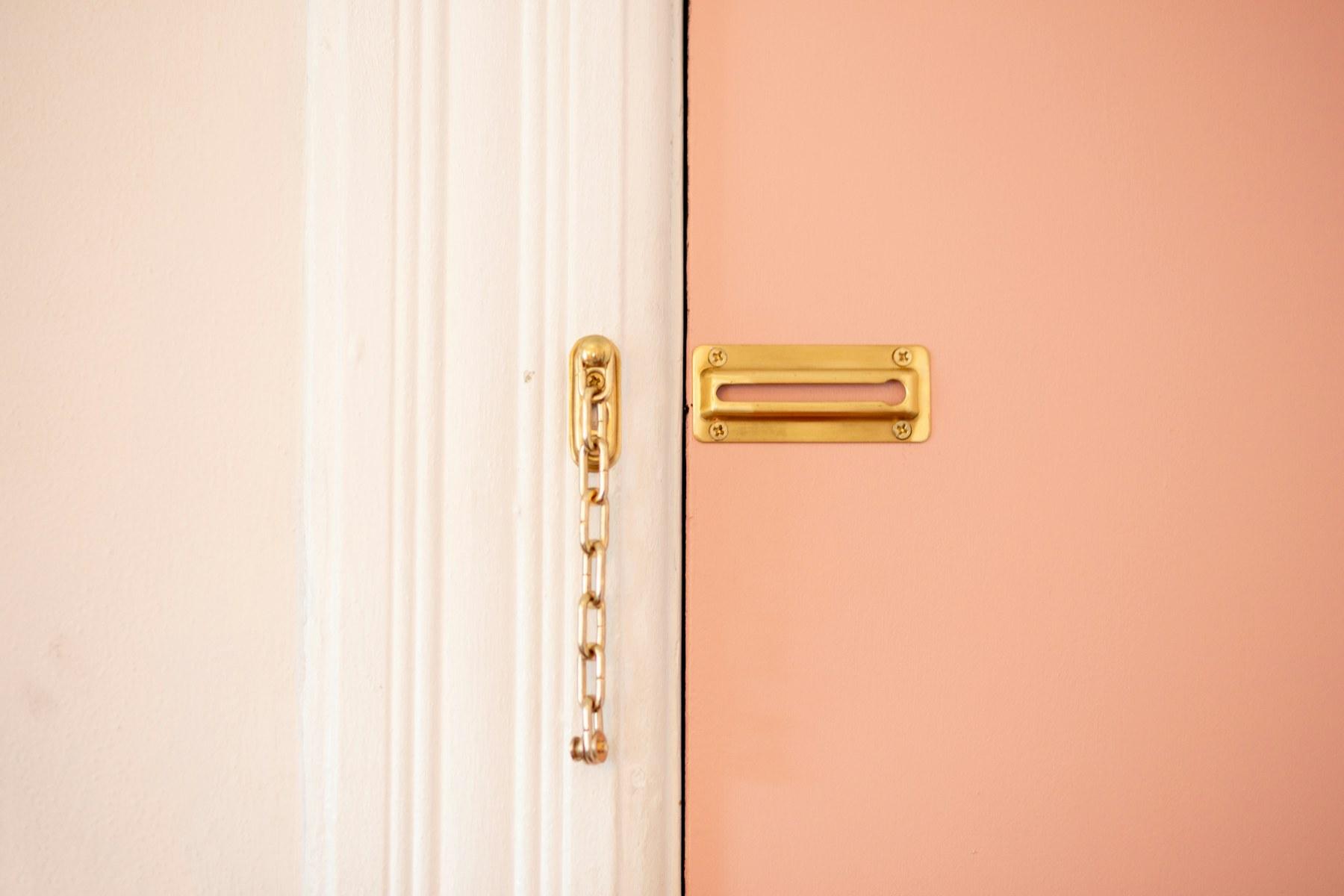
Test the deadbolt, the chain or bar lock, window latches and any sliding or connecting door as soon as you arrive, and ask for another room if any are faulty. AAA also suggests covering the peephole and packing an inexpensive door wedge alarm or door-handle alarm. Don’t open the door to anyone you weren’t expecting; call the front desk.
How do you keep the car and luggage safe?
Park in a well-lit spot, ideally in view of your room or the office, and take bags and valuables inside rather than leaving them on show. If you must leave things in the car overnight, put them out of sight before you arrive, not in the parking lot. Lock the car every time, even for a quick trip to the room.
What about valuables and public Wi-Fi?
Keep valuables with you, or ask to use the front desk’s main safe: AAA notes in-room safes can often be opened with master keys. Leave a light or the TV on and the Do Not Disturb sign up when you go out. Avoid hotel Wi-Fi for banking or shopping; AAA suggests a VPN if you must connect.
What fire safety steps should you take?
The U.S. Fire Administration’s advice for hotels and motels: read the evacuation plan, find the two exits closest to your room, count the doors between your room and each exit so you can find them in the dark, and find the fire alarms on your floor. When booking, look for smoke alarms and automatic sprinklers in rooms.
USFA: hotel fires Our arrival checklist builds these steps into a ten-minute routine.
Frequently asked questions
AAA Club Alliance's seven tips, in short: ask for a room between the third and sixth floors; inspect locks and the room on arrival; cover the peephole; make the room look occupied when you are out; pack a door wedge or door alarm; keep valuables with you or in the front-desk safe; and avoid public Wi-Fi for sensitive tasks.
AAA's advice is that ground-level rooms and rooms near exits are easier for thieves to reach, and it suggests a room between the third and sixth floors. Many motels have only one or two storeys, so ask for an upper-floor room if there is one, keep the door locked and the curtains closed.
Not completely. AAA notes that in-room safes can often be opened with master keys, so it suggests keeping valuables with you or using the front desk's main safe for anything important. Many economy rooms have no safe at all, so travel with fewer valuables and keep them on you.
Plan before you need it. The U.S. Fire Administration advises reading the evacuation plan, finding the two exits closest to your room and counting the doors to each so you can find them in the dark, and locating the fire alarms on your floor. When booking, look for smoke alarms and sprinklers.
Sources
- Rest easier with these 7 hotel room safety tips (Sep 17, 2025)AAA Club Alliance
- Hotel and motel fire safetyU.S. Fire Administration (FEMA)
- Lodging safetyU.S. Department of State
Facts on this page were checked on November 26, 2026 against the pages above. Amenities, policies, rates and programs change and vary by property, so confirm with the hotel or brand before you book. Mile & Key is independent and not affiliated with Days Inn or Wyndham Hotels & Resorts. Disclaimer · How we check facts